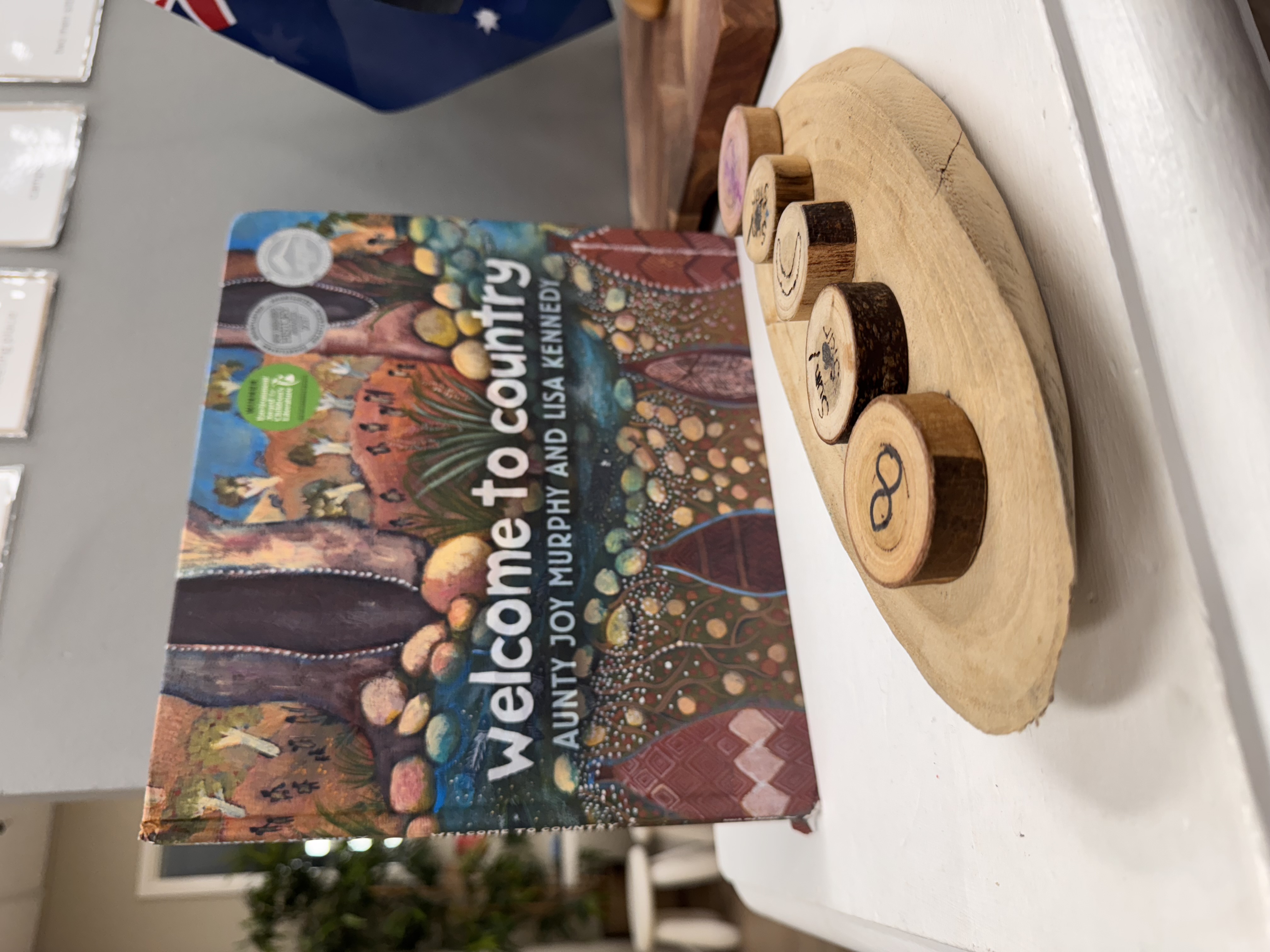
It’s NAIDOC week and this year’s theme is 50 Years of Deadly. For many early and middle childhood services this time of year never stands alone but is part of an ongoing approach to reflecting Aboriginal culture, peoples and communities. And for some, this week marks an important time of year as they think about how they might include Aboringinal perspectives for the first time. Regardless doing something is always more powerful than doing nothing. In a recent webinar with Aunty Louise Cave she reminded us of some important considerations
1. Start with Country
Children develop a sense of belonging by learning about ‘the Country’ on which they live, play and learn. Country is more than just geography. It encompasses the land, waterways, skies, plants, animals, stories, relationships, and responsibilities that have existed for thousands of years. Helping children notice seasonal changes, native plants, local birds, and significant places allows Aboriginal perspectives to emerge naturally within everyday learning.
2. Relationships before resources
Purchasing Aboriginal resources is easy; however, building genuine relationships takes time. The most meaningful curriculum grows from conversations with local Aboriginal communities, Elders, and organisations. These relationships guide educators in making thoughtful decisions about what is appropriate, what requires permission, and how local knowledge can be shared with respect.
3. Permission matters
Not all Aboriginal cultural practices are appropriate for use in educational settings. Some stories, symbols, artwork, ceremonies, and language require permission before they can be shared. Understanding the difference between publicly available knowledge and
cultural knowledge that belongs to specific communities is essential for respectful practice. When unsure, ask. Permission demonstrates respect.
4. Local before generic
Australia is home to hundreds of Aboriginal Nations, each with its own language, history, customs, and knowledge systems. Avoid treating Aboriginal culture as a single, uniform culture. Instead, seek opportunities to connect children with the Traditional Owners and Aboriginal communities of the local area. Local stories build deeper connections than generic approaches.
5. Everyday experiences matter
Children learn about culture through everyday interactions rather than just special celebrations.
So, this NAIDOC week start your journey by asking ‘what can we do, no matter how small, because everything matters’