There can be strong views about whether group times are a goer or a no-no. Passion is important, but when we hold tightly to one position we can stop listening to other perspectives. Real professional growth comes from staying curious and reflective, even when we think we already have an answer.
So, are group times in or out? The honest answer is it depends.
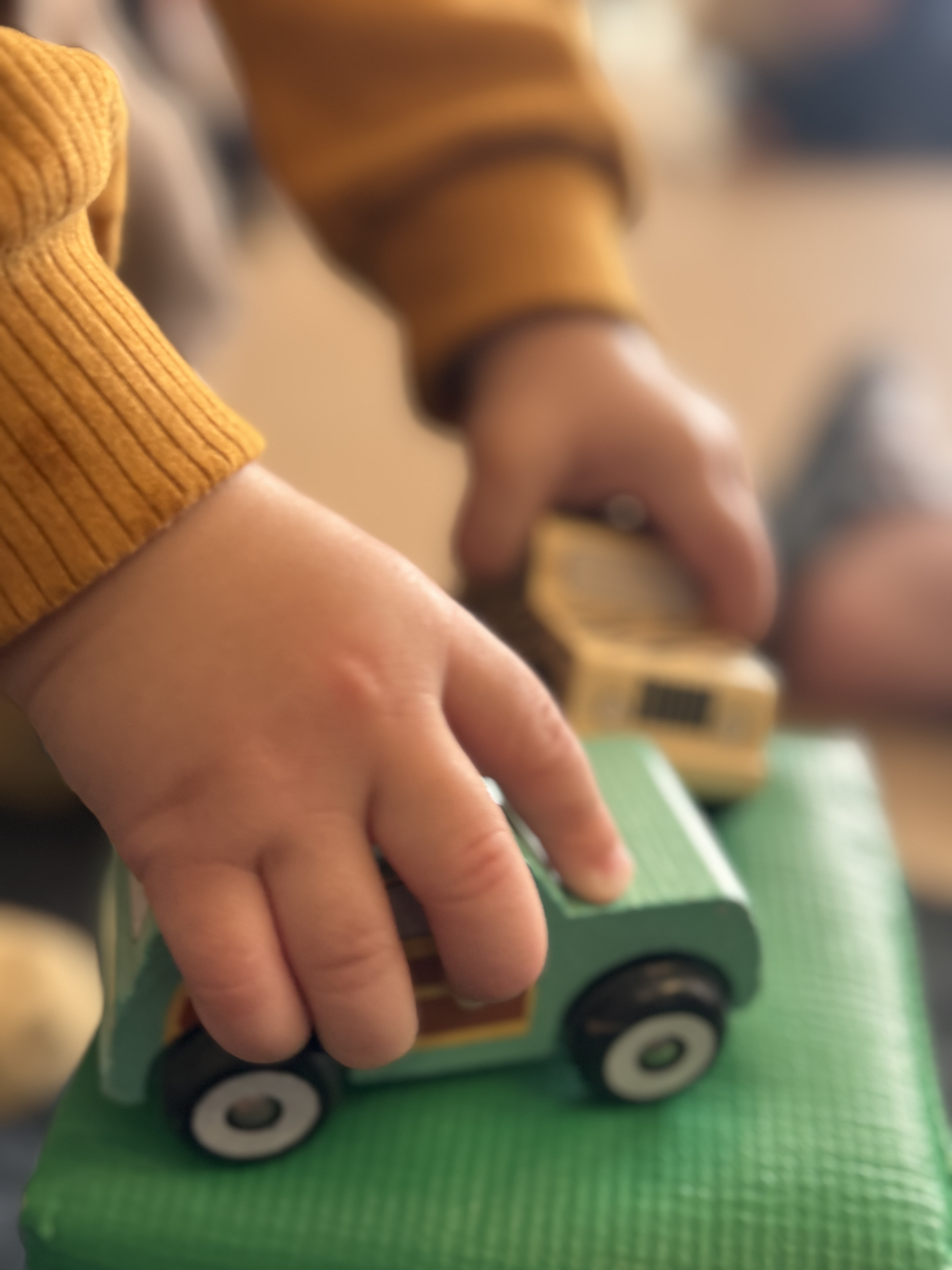
For babies, we think not. Babies learn through relationships, sensory exploration, movement, and one-to-one interactions. Expecting them to sit as a group does not fit with their development. A “group time” may simply be adults singing while babies explore the room rather than gathering them on a mat.
For toddlers, it depends. Short, spontaneous, opt-in gatherings can support language and connection. Larger, longer, or compulsory groups often work against toddlers’ need for movement, choice, and active exploration.
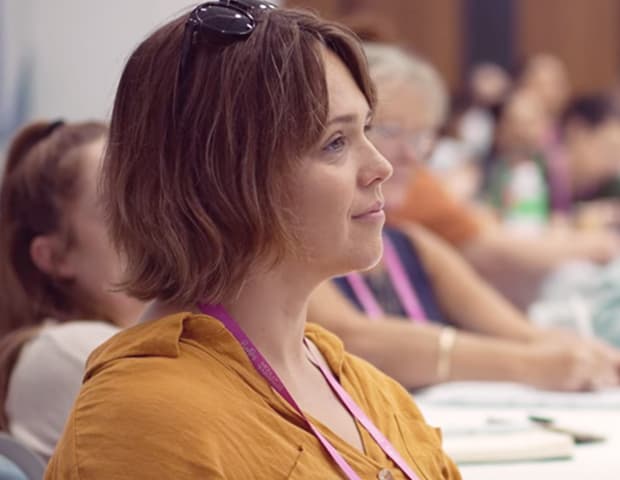
For preschoolers, group times can be genuinely helpful when they are purposeful. Shared conversations, storytelling, reflection, and collaborative thinking can support social learning and community. Small group work or whole group sharing linked to real projects or interests can hold real value.
Ultimately, it comes down to how we define group time. If it is a moment to gather, connect, chat, and learn together, it can foster belonging. If it is about sitting simply because the routine says so, we lose the opportunity for meaningful learning.
Ask yourself:
What is the true purpose of our group times in each learning space?
Are they driven by children’s interests and learning goals or by routine and habit?
Do children choose to join and remain engaged?
Do group times differ for babies, toddlers, and preschoolers in developmentally appropriate ways?
Are we flexible enough to adapt or stop when engagement disappears?
When might small group or individual interactions be more valuable?
So, are group times a goer or a no-no. It depends.