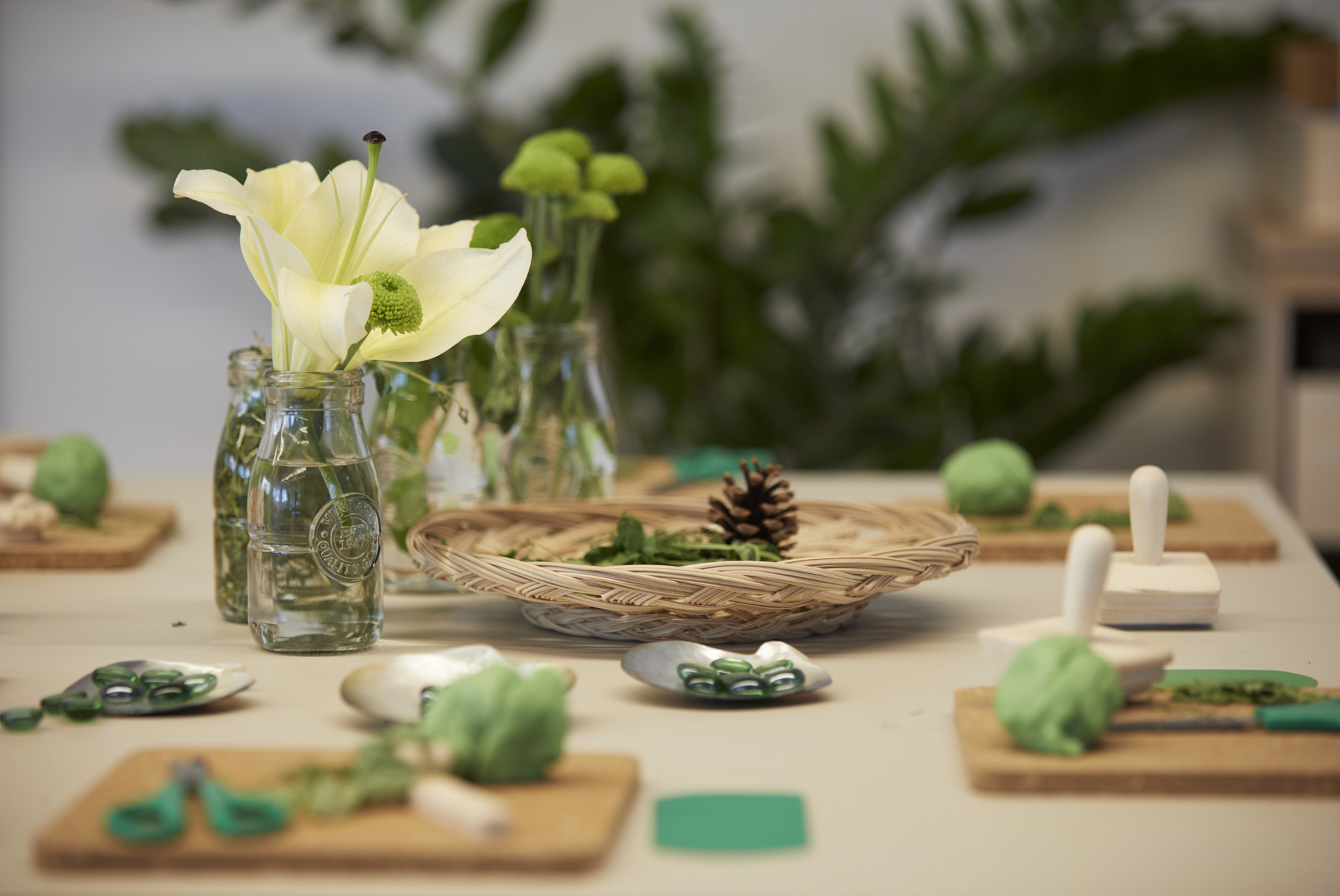
As a new year begins, many educators take the opportunity to reflect on their learning environments and consider how these spaces might be improved. This reflection often comes from noticing that a space is not working as intended, that children are not engaging deeply, or simply that the area has lost the care and attention it once received. Whatever the reason, one thing remains true: learning spaces matter.
Environments shape how we feel, think, and engage. A well-considered, inviting space communicates to children that they are valued and welcome, encouraging curiosity and interaction. In contrast, a neglected or cluttered area can unintentionally send the message that the space, and those within it, are not worthy of care. The messages environments send are powerful, and children are highly attuned to them. We should never underestimate how much learning spaces influence children’s sense of belonging and engagement.
So, what can be done to improve a learning space? Below are some simple yet effective strategies to guide the process.
Seek inspiration
Inspiration can come from many places: environments you see online, professional articles, visits to other services, or even spaces outside early childhood settings. When something catches your eye, pause and reflect. What is it about this space that feels inspiring? Is it the organisation, the calmness, the use of natural materials, or the way resources are displayed?
Edit the space
Before adding anything new, begin by editing what is already there. Remove items that are broken, worn out, unused, or simply do not belong in the space. Less clutter allows children to see possibilities more clearly and engage more deeply with what remains.
Access the resources you need
Over time, seek out resources that enhance the purpose of the space. This may involve sourcing second-hand items, restoring older furniture, or gradually investing in quality materials. A simple refresh, such as a coat of paint on an old dresser, can transform a space. Consider whether the resources available are sufficient to support rich thinking. For example, does the block area offer enough variety for children to think like architects, or does it feel limited and depleted?
Collaborate with colleagues
Creating meaningful spaces is best done together. Take time with colleagues to discuss intentions, move furniture, and trial different layouts. Allow the space to evolve. Once children begin using the area, observe how it functions and be prepared to make changes if something is not working as hoped.
Focus on one space at a time
Choose a single area to focus on rather than trying to change everything at once. When too much is done at the same time, it is easy to miss the impact of the changes. Budget limitations also make this approach more realistic. It is far better to redesign one space well than to make superficial changes everywhere. Over a year or two, this thoughtful approach can transform the entire learning environment.
Changing learning environments does not need to be overwhelming or expensive. Thoughtful, intentional changes made over time can have a profound impact on how children experience their learning. By slowing down, working collaboratively, and focusing on one space at a time, educators can create environments that communicate care, invite exploration, and support deep engagement. When we attend to our spaces with intention, we honour the children who learn within them and the learning that unfolds there every day.
(Image courtesy of New Shoots NZ https://newshoots.co.nz)